

Residential Treatment
Extended live-in recovery with clinical depth and life rebuilding.


Program highlights
Structured routines
Peer recovery environment
Relapse prevention coaching
How RVK Treatment approaches this level of care
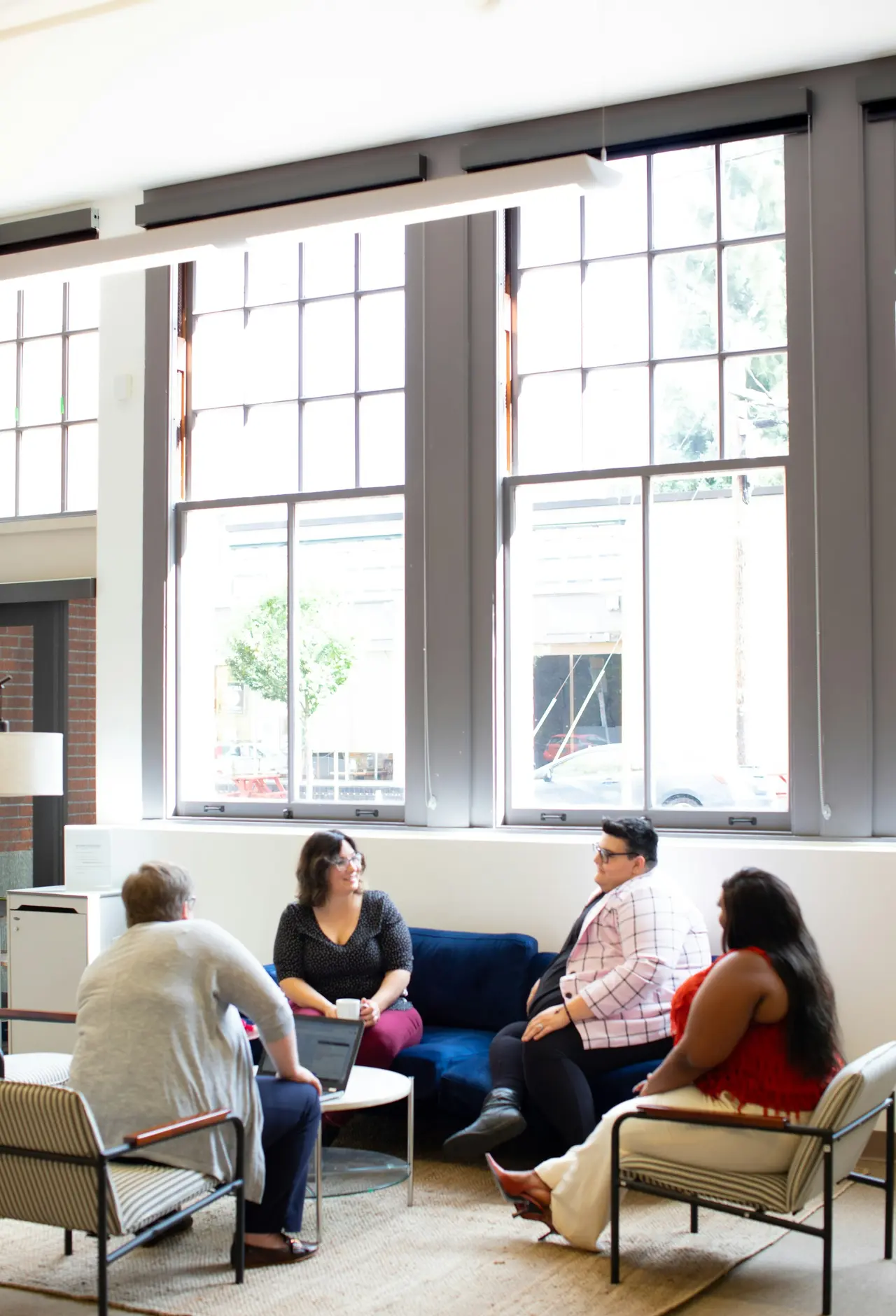
Residential treatment at RVK Treatment offers extended, immersive care for individuals who need time away from triggers, structured therapeutic community, and the space to rebuild life skills. Clients live on campus in a substance-free environment, participate in daily clinical programming, and engage with peers who share the goal of lasting recovery. Our residential programs typically run 28 to 90 days, with length determined by clinical progress, substance history, and aftercare planning needs.
The residential experience is designed to function as a therapeutic community. Beyond individual and group therapy, clients participate in experiential activities, wellness programming, family therapy, relapse prevention workshops, and life skills training. The structure itself—wake times, meals, group schedules, and community expectations—helps re-establish healthy routines that addiction often disrupts. Our coastal campuses provide a restorative environment; research suggests that natural settings can support nervous system regulation and improve treatment engagement.
Many clients enter residential after completing medical detox or inpatient stabilization. Others come directly when they have a supportive home environment but need intensive structure to break the cycle of use. Our admissions team conducts a thorough assessment to match each client to the appropriate level of care. We do not over-place or under-place; the goal is the right fit for safety and progress.
Family therapy is integrated throughout residential treatment. We offer family weekends, structured visitation, and regular family therapy sessions. Caregivers learn about addiction, boundaries, and how to support recovery without enabling. The transition home is one of the highest-risk periods for relapse, and our family program prepares both the client and the family system for that transition.
Discharge planning begins on day one. Our case managers coordinate step-down care—often to partial hospitalization or intensive outpatient—and connect clients with sober housing, outpatient providers, and alumni resources when appropriate. We conduct follow-up at 30, 60, 90, and 180 days post-discharge to support continuity and identify clients who may need to return to a higher level of care. Recovery is a journey, and we walk it with our clients long after they leave our campuses.
Residential treatment benefits a wide range of individuals, including those with moderate to severe substance use disorders, people whose home environments contain active triggers or enabling relationships, individuals who have tried outpatient treatment without sustained success, and clients recovering from co-occurring trauma who need an immersive healing environment. Parents concerned about leaving children at home, professionals worried about career disruption, and young adults navigating identity and independence all find support in our residential model. Our admissions counselors work closely with each prospective client and their family to evaluate clinical need, logistical considerations, and personal goals before recommending residential placement.
Daily life in residential treatment follows a structured but nurturing rhythm. Mornings begin with a wellness check, a healthy breakfast, and a community meeting where clients set intentions for the day. Clinical programming includes process groups, psychoeducation workshops, individual therapy sessions, and experiential activities such as equine therapy, art expression, or outdoor recreation at our coastal campuses. Afternoons incorporate life skills training—budgeting, cooking, resume building, and communication practice—alongside continuing clinical work. Evenings feature peer support meetings, meditation or journaling time, and opportunities for community bonding. Weekends may include family visitation, alumni speaker events, and recreational outings that reinforce a healthy, substance-free lifestyle.
The clinical framework in our residential programs integrates several evidence-based modalities. Cognitive behavioral therapy and dialectical behavior therapy form the therapeutic foundation, complemented by motivational interviewing, acceptance and commitment therapy, and trauma-focused interventions when indicated. Our multidisciplinary team—licensed therapists, psychiatrists, nurses, case managers, and wellness staff—meets weekly to review each client's progress and adjust the treatment plan as needed. We use standardized outcome measures to track symptom reduction, coping skill acquisition, and readiness for step-down. This data-driven approach ensures that clinical decisions are grounded in evidence rather than assumption, and that every client receives care tailored to their evolving needs.
Long-term outcomes for residential treatment are strongest when clients complete the full recommended course and transition into structured aftercare. Studies show that individuals who engage in 90 days or more of residential care demonstrate significantly lower relapse rates and higher rates of employment, stable housing, and family reconnection at one year post-discharge. At RVK Treatment, our commitment to continuity means that every residential client leaves with a detailed aftercare plan, connections to outpatient providers and peer support networks, and an open door to our alumni program. We believe that the investment of time in residential treatment pays dividends for years to come, and we support our clients every step of the way.
Insurance and payment options
Our admissions team verifies benefits fast and explains clear next steps before intake.







Talk to a care guide and verify coverage in minutes.
Talk to a beach-campus care guide and verify coverage in minutes.